Se afișează postările cu eticheta aphids. Afișați toate postările
Se afișează postările cu eticheta aphids. Afișați toate postările
vineri, 1 februarie 2019
PESTICIDAS NATURAIS FEITOS EM CASA
A aplicação de pesticidas para o seu jardim não tem que envolver produtos químicos agressivos!
Fazer seus próprios pesticidas naturais é mais acessível e amigável para a terra e para o ambiente porque são feitos com ingredientes não-tóxicos e não-químicos.
Nunca use pesticidas químicos encontrados nas lojas. Eles são terríveis para o meio ambiente, para a saúde da sua família, os sistemas de água e a vida vegetal.
Aqui estão algumas soluções simples que você pode fazer em questão de minutos.
INSETICIDA
Um inseticida geral para seu jardim pode ser feito de cascas de laranja, alecrim e um quarto de xícara de flocos de pimenta ardida. Coloque as cascas de laranja, 4 colheres de sopa de alecrim e a pimenta em cerca de dois litros de água quente, em torno de 65 ºC. Permita que os ingredientes assim permaneçam durante a noite. Você poderá colocar o inseticida macerado em uma área bem ventilada para que o aroma não se espalhe por sua casa. Pela manhã, a mistura estará pronta para ser aplicada. Use um frasco com válvula spray e sature suas plantas do jardim. Esta solução pode ser aplicada uma vez por semana para manter um jardim livre de insetos.
ÁRVORES E PLANTAS FRUTÍFERAS
Para manter parasitas indesejados fora de suas frutas em crescimento, use cal de enxofre e óleo de inativo. Esses não são produtos comuns que você terá em casa, portanto, poderá ter de comprá-los num centro de jardinagem ou numa loja de ferramentas. Ambos são produtos naturais e efetivamente manterão insetos afastados de suas árvores frutíferas. Pulverize quer os ramos como o tronco da árvore durante os meses de inatividade para evitar que insetos façam ninhos na árvore.
O óleo para o período de dormência das árvores destina-se apenas a árvores inativas e não deve ser usado em árvores em sua época de crescimento. Durante a temporada de crescimento, faça sua própria mistura para as plantas frutíferas com uma xícara de óleo vegetal e 2 colheres de sopa de qualquer sabão de lavar pratos preparada em cerca de 4 litros de água. Pulverize generosamente a árvore pelo menos uma vez por semana para afastar parasitas e manter o cultivo das frutas.
Encontre antigos frascos para pulverização guardados em casa que estejam vazios ou cujo produto expirou, lave-os e os use e reuse para aplicações de pesticidas caseiros. Você também pode usar garrafas antigas de sucos ou latas de tinta cuidadosamente lavadas para guardar as sobras de pesticidas entre uma e outra aplicação. Se você não for mais utilizar um frasco plástico que usou para pulverização e não for usá-lo novamente, certifique-se de separá-lo para a reciclagem.
Enxotar pragas para longe seu jardim não precisa ser tóxico e caro. A maioria dos insetos é comumente espantada naturalmente usando diversos óleos de cozinha e sabão de lavar pratos. Lembre-se, no entanto, durante suas aplicações de pesticida caseiro, que enquanto você deseja acabar com os insetos prejudiciais, alguns deles, como as Joaninhas, são úteis para manter suas plantas. Tente formas que acabem com as pragas indesejadas, porém incentive os insetos benéficos a prosperar.
Safe Pest Control - Step 3 and 4
Best-practice pest-control for food-gardeners involves six steps (in this order):
Make your food garden as healthy as possible
Don’t please your pests
Keep them out
Catch and remove
Is further action needed?
Use a low-impact pesticide
Step 3 and 4 are discussed below
Safe Pest Control - Step 5 and 6
Best-practice safe pest-control for food-gardeners involves six steps (in this order):
- Make your food garden as healthy as possible
- Don’t please your pests
- Keep them out
- Catch and remove
- Is further action needed?
- Use a low-impact pesticide
Safe Pest Control - Step 1 and 2
- Our health: Fruits and vegetables treated with chemical pesticides often contain chemical residues and there have been many examples of these residues being responsible for damage to human health. Often these chemical residues break down very slowly and remain active in the soil, so they may affect crops long after you have forgotten you ever used the pesticide.
- The health of our environment: Chemical pesticides may kill your target pest, but many of them also kill other life forms in your garden. Pest control chemicals that do this are called broad-spectrum pesticides. They may even kill beneficial insects and other organisms that were in the process of destroying your target pest. The result of your action may be a short-term success, but a long-term increased vulnerability to the target pest because you have killed its predators.
 |
| Ladybirds not only look cute, but are also beneficial insects because they eat aphids |
Many people think that anything organic is automatically fine, but this is definitely not the case. A perfect example is nicotine. For centuries this extract from the tobacco plant has been used by farmers to kill sucking insects, such as aphids. It is an organic pesticide because it is not chemically modified to do the job, but it is no better for human health than artificial chemical alternatives.
So what pesticides are safe?
Australian Certified Organic (see ACO) is Australia’s largest organisation for certification of organic produce. ACO has spent many years finding answers to this question. Australian farms that want to be recognised as ‘certified organic’ need to comply with standards regarding farm methods and materials that lead to safe produce without any harm to the environment.
Click on ACO’s Australian Certified Organic Standard 2013 if you like to know more about approved practices on certified organic farms.
The approaches to pest control discussed on this blog are in line with the Australian Certified Organic Standard 2013.
Six steps for safe pest control
Best-practice pest-control for food-gardeners is not complicated and involves the following steps (in this order):
Step 1 and 2 are discussed below. Step 3 and 4 are discussed here and Step 5 and 6 are discussed here.
Best-practice pest-control for food-gardeners is not complicated and involves the following steps (in this order):
- Make your food garden as healthy as possible
- Don’t please your pests
- Keep them out
- Catch and remove
- Is further action needed?
- Use a low-impact pesticide
Step 1 and 2 are discussed below. Step 3 and 4 are discussed here and Step 5 and 6 are discussed here.
I would like to thank Margaret W, Jan R and Marg M for proofreading and commenting on my drafts of this series and for the additional information they provided.
Step 1 - Make your food garden as healthy as possible
Ever been in the situation where everyone at work caught a cold, but you didn’t? That may have been because you were more rested, less stressed and ate better than your colleagues, resulting in a stronger immune system.
The first line of defence against food garden pests is to make sure that your plants are strong and healthy. If that is the case, a garden pest that sweeps through your area may cause less damage to your plants or may not be able to establish itself.
Be aware what each vegetable or fruit variety needs and provide that as best as you can.
Focus on
- Making and using good compost (see Making Compost – part 1 and Making Compost part 2 )
- Providing sufficient water and mulching (see Improving your Irrigation and Automating your Irrigation )
- Providing sufficient space for each plant.
- Creating friable healthy soil (see And now improve your soil biology and Soils ain’t Soils )
- Rotating your crops (see The Importance of Rotating Crops )
- Planting amongst your fruit and vegetables flowers to attract insects and birds.
- Foliar feeding: once a week spray your vegetables, berries and fruit trees with diluted seaweed extract (for example Seasol) or diluted fish emulsion (for example PowerFeed).
Step 2 - Don’t please your pests
Get to know your pests. Find out what conditions particular pests thrive in and then make sure not to provide those conditions. For example:
Get to know your pests. Find out what conditions particular pests thrive in and then make sure not to provide those conditions. For example:
- Mildew loves humid environments, especially when leaves remain wet for a while. Peas often get mildew. So do not irrigate your peas from above in the evening, because wet leaves, that remain wet overnight, are loved by mildew. Instead, water pea plants at ground level early in the morning.
 |
| Peas affected by Mildew |
- Aphids love capsicum plants that are kept in humid conditions without much air movement. Last year I had capsicum plants in my hothouse throughout summer and had a real problem with aphids. This year I started my capsicums in the hothouse in the cool months, then put them outside in a sunny spot subject to winds. I don’t have many aphids on my capsicums this summer.
- Viruses, malevolent microbes and soil-bound diseases, love it when you put plants of the same variety in the same spot for more than one season. After one season put new soil in pots and rotate your crops around your garden, so you don't give pests the opportunity to establish themselves.
- Aphids, Cabbage White Butterfly and Cabbage Moth love brassicas. Most people grow their brassicas over summer and thereby provide wonderful host plants for caterpillars of the Cabbage White Butterfly and Cabbage Moth, and aphids. Consider growing brassicas over winter when these pests are not around. The result may be a slightly smaller crop (because temperatures are down), but produce may be completely unaffected by pests.
 |
| Caterpillars of this cute little butterfly are ferocious eaters |
Safe Pest Control - Step 3 and 4
Best-practice pest-control for food-gardeners involves six steps (in this order):
Make your food garden as healthy as possible
Don’t please your pests
Keep them out
Catch and remove
Is further action needed?
Use a low-impact pesticide
Step 3 and 4 are discussed below.

Safe Pest Control - Step 5 and 6
Best-practice safe pest-control for food-gardeners involves six steps (in this order):
Make your food garden as healthy as possible
Don’t please your pests
Keep them out
Catch and remove
Is further action needed?
Use a low-impact pesticide
Step 5 and 6 are discussed below.
marți, 18 decembrie 2018
How to Control Aphids,Insecticide :Actara 25 WG,Mospilan,Fastac Active
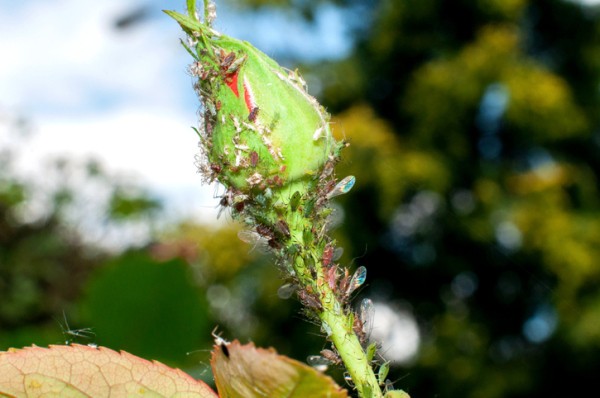
Aphids love snacking on fruits, vegetables, flowers, and many other types of plants, making it difficult to grow a beautiful garden. These small, pear-shaped insects congregate on the shady side of leaves and come in many colors. To help fend off these pesky pests, invite beneficial insects into your yard such as ladybugs, or try to cut down on the ant population. There are many different types of sprays, with ingredients ranging from different types of oils to garlic, that will control the aphids. If you need a fast fix, try spraying the aphids off with a strong burst of water or sprinkling flour over the infested plants.
Treatment Insecticide:Actara 25 WG,Mospilan,Fastac Active,
Sursa foto:https://img.thrfun.com
Abonați-vă la:
Postări (Atom)